
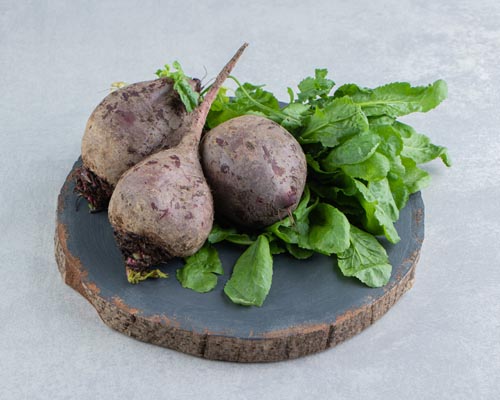
Winter is the season when your body demands extra nourishment. Colder days bring weaker digestion, lower immunity, higher fatigue, and increased heart stress. This is exactly where beetroot, a winter powerhouse, becomes one of the simplest yet most effective foods to add to your diet.
Vibrant, earthy, and loaded with antioxidants, beetroot helps your body function smoothly when the temperature drops and Ayurveda considers it one of the best winter-balancing superfoods.
This in-depth guide will show you:
- Why beetroot is exceptionally beneficial in winter
- How it improves immunity, digestion, heart health & energy
- How much beetroot you should eat
- The best ways to include it in your diet
- How to know if beetroot is right for your body type (Ayurvedic body-type test)
Let’s dive into the five most powerful benefits of beetroot in winter, written strategically to enhance readability and ranking.
1. Strengthens Immunity Naturally
Winter commonly triggers allergies, throat infections, cold, cough, and fatigue. Beetroot helps prepare your immunity with a combination of:
- Vitamin C
- Folate
- Iron
- Potassium
- Antioxidants (especially betalains)
These nutrients improve white blood cell function, fight inflammation, and support your natural defence system.
Why beetroot boosts immunity more in winter:
Cold climates increase oxidative stress and slow down the body’s infection-fighting response. Beetroot’s betalains work as potent antioxidants that protect your cells, keeping immunity active even on colder days.
If you struggle with repeated winter infections, pairing beetroot with digestive tonics like Martand Pachak Churan) can support better nutrient absorption and overall immunity.
2. Improves Digestion & Gut Health - High Fibre + Ayurvedic Warmth
Winter digestion is typically slow. You may feel:
- Bloating
- Constipation
- Gas
- Lower appetite
- Heavy stomach
Beetroot is naturally rich in soluble fibre, which smoothens bowel movements and promotes gut-friendly bacteria.
Healthy gut benefits of beetroot:
- Supports daily bowel movement
- Softens stool
- Cleanses the colon
- Feeds good bacteria
- Enhances nutrient absorption
- Reduces bloating and heaviness
According to Ayurveda:
Beetroot balances Vata dosha, which spikes in winter and causes dryness, constipation, gas, and irregular digestion. When lightly cooked, beetroot becomes warm, grounding, and ideal for winter gut health.
If poor digestion is a regular concern, combine beetroot with warming spices and consider adding a digestive support like Martand Pachak Churan, especially after heavy meals.
3. Purifies Blood & Supports Liver Detox - Winter’s Cleansing Root
Winter often leads to toxin buildup because we eat heavier foods and move less. Beetroot supports both blood purification and liver detoxification, thanks to nutrients like:
- Betalains
- Iron
- Magnesium
- Folate
- Natural nitrates
How beetroot aids detox:
- Cleanses the liver
- Reduces inflammation
- Supports toxin breakdown
- Enhances blood quality
- Boosts haemoglobin
- Improves skin clarity
Its liver-supporting properties make it particularly valuable if you experience:
- Acne flare-ups
- Dull skin
- Low stamina
- Heavy digestion
- Frequent acidity
4. Enhances Energy, Stamina & Oxygen Flow
Feeling dull and lazy in winter is normal, but beetroot helps reverse this naturally.
Beetroot’s natural nitrates dilate blood vessels, improving oxygen flow to muscles and brain.
Benefits you feel immediately:
- Higher stamina
- Better focus
- Reduced fatigue
- Improved exercise performance
- More stable energy levels
This is why athletes often drink beetroot juice before training. But in winter, even non-athletes benefit, especially those who feel sluggish due to cold weather.
If low energy is your main winter complaint, a simple daily beetroot serving can transform your routine.
5. Supports Heart Health - Extremely Important in Winter
Winter is hard on the heart. Blood vessels constrict in cold weather, causing increased blood pressure and circulation issues.
Beetroot's nitrates naturally relax blood vessels, helping maintain healthy blood flow.
Heart benefits of beetroot:
- Maintains healthy blood pressure
- Reduces stiffness in arteries
- Improves circulation
- Supports production of red blood cells
- Reduces inflammation
For people with a history of BP fluctuations during winter, beetroot becomes an extremely valuable addition to the diet.
Is Beetroot Right for Your Body Type? (Ayurvedic Body-Type Guide)
Ayurveda says food is medicine only when it matches your body type. Here’s a simple breakdown to help you understand if beetroot suits your constitution.
Vata Body Type (Dry, cool body; prone to gas, constipation)
Beetroot is excellent for you.
Vata individuals benefit greatly because beetroot is:
- Grounding
- Moisture-rich
- Easy to digest when cooked
- Naturally warming
Recommended form:
- Beetroot soup
- Warm beetroot sabzi
- Lightly steamed beetroot salad
Avoid: Too much raw beetroot.
Pitta Body Type (Hot body; prone to acidity or heat)
Beetroot suits you moderately.
It cools internal heat slightly, and its blood-purifying nature benefits Pitta.
Recommended form:
- Beetroot raita
- Beetroot juice (not daily)
- Beetroot salad
Avoid:
Overconsumption, especially with spicy meals may cause slight heat.
Kapha Body Type (Cold, slow metabolism; prone to weight gain)
Beetroot is good but in controlled amounts.
Kapha individuals should combine beetroot with warming spices to avoid sluggish digestion.
Recommended form:
- Beetroot sabzi with black pepper, jeera, ginger
- Beetroot soup
- Warm beetroot juice
Avoid:
Beetroot at night or in raw form may feel heavy.
How to Include Beetroot in Your Winter Diet ?
These preparation methods enhance digestion, nutrient absorption, and winter compatibility:
1. Warm Beetroot-Carrot Soup
Perfect for dinner supports digestion & detox.
2. Beetroot Sabzi with Jeera and Ghee
Enhances winter digestive fire.
3. Lightly Steamed Beetroot Salad
Easier to digest than raw winter salads.
4. Beetroot Raita
Balances warmth and coolness, great for Pitta.
5. Beetroot Juice (Morning Only)
Ideal for energy & stamina but avoid consuming it cold in winter.
6. Beetroot Paratha
Kids love it; adults digest it well when paired with ajwain.
How Much Beetroot Should You Eat in Winter?
Ideal intake:
½ to 1 beetroot per day, in cooked or lightly steamed form.
Avoid:
- Eating raw beetroot in large quantities
- Drinking cold beetroot juice in winter
- Eating beetroot at night if you have heavy digestion
Who Should Definitely Add Beetroot This Winter?
You need beetroot if you have:
- Low hemoglobin
- Frequent cold/cough
- Sluggish digestion
- Dull skin
- High BP
- Winter fatigue
- Poor blood circulation
- Excessive dryness
Beetroot is one of the simplest habits that supports overall winter wellness.
Final Thoughts - The Winter Superfood Your Body Truly Needs
Beetroot is more than a colourful root; it supports immunity, digestion, heart health, liver function, and energy, all the concerns that rise in winter.
To recap, the 5 amazing health benefits of beetroot in winter:
- Boosts immunity
- Enhances digestion & gut health
- Detoxifies the liver & purifies blood
- Increases stamina & energy
- Supports heart health & circulation
Whether you’re trying to improve digestion, boost immunity, or maintain energy in cold months, beetroot is one of the simplest additions to your diet.