
admin, Author at Martand - Page 2 of 7

Get a free shipping on order above ₹250

Top 10 Effective Ways to Treat Gastric Problems Naturally and Safely

Woman suffering from gastric problem with stomach pain in kitchen

If you often feel uncomfortable after eating, with constant gas, bloating, acidity, or a heavy sensation in your stomach, it can gradually affect your mood, confidence, and daily routine. Many avoid eating outside, skip meals, or rely on instant medicines for only short-term relief. Gastric problems happen when your digestive system is weak. Common causes include stress, consuming unhealthy foods, skipping or delaying meals, and failing to properly care for your digestion.

If you are searching for natural ways to treat gastric problems, this guide is for you. Here, you will find practical, safe, and natural remedies for gastric problems that focus on improving digestive health from the root rather than merely masking the symptoms.

1. Drink Warm Water Every Morning to Improve Digestive Health

Drinking warm water every morning is a simple habit with a powerful effect on digestive health. It gently stimulates your digestive system, allowing food to pass smoothly through the stomach.

Benefits of drinking warm water for digestion:

  • Stimulates digestive juices naturally.
  • Supports easier bowel movements and reduces constipation.
  • Helps release trapped gas in the stomach.
  • Reduces acidity caused by slow digestion.

Starting the day with warm water sets digestion on the right path. It prevents the stomach from becoming sluggish and can noticeably reduce bloating and heaviness over time. Even a few minutes each morning can make the stomach feel light and active.

2. Eat Slowly and Chew Food Properly to Prevent Gastric Problems

Rushing through meals places extra pressure on the stomach. Swallowing food without proper chewing makes digestion difficult, often resulting in gas and bloating.

Benefits of eating slowly and chewing food well:

  • Food mixes thoroughly with digestive enzymes.
  • Reduces workload and irritation in the stomach
  • Prevents heaviness and post-meal discomfort
  • Improves nutrient absorption

Eating slowly and chewing properly allows the stomach to digest efficiently. Mindful eating reduces stress on your digestive system, prevents acidity, and enables the body to signal fullness naturally, helping to avoid overeating. This habit promotes long-term natural digestion and helps minimise recurring gastric problems.

3. Include Fibre-Rich Foods for Healthy Gut Health

A diet low in fibre can slow digestion and increase constipation-related gas. Fibre keeps the digestive system active and naturally cleanses the stomach.

Benefits of fibre for stomach health:

  • Regulates bowel movements.
  • Prevents gas buildup caused by constipation.
  • Maintains smooth and balanced digestion.
  • Reduces acidity by aiding proper food breakdown.

Adding fibre-rich foods such as fruits, vegetables, whole grains, and soaked seeds ensures the digestive system functions efficiently. Fibre not only reduces bloating but also nourishes gut health, making it essential for treating gastric problems naturally.

4. Avoid Foods That Trigger Acidity and Gas

Certain foods can disrupt the stomach’s natural balance and increase acid production, leading to frequent discomfort and a feeling of heaviness over time.

Common gastric problem triggers:

  • Oily and deep-fried items.
  • Very spicy and heavy meals.
  • Packaged and processed foods.
  • Excess tea, coffee, and soft drinks.

Limiting these foods allows the stomach to recover its natural balance. Reducing these triggers lowers the risk of bloating and heartburn, making digestion smoother. Avoiding these foods is essential for maintaining stomach health and achieving long-term relief from acidity and gas.

5. Stay Physically Active to Support Digestive Health

Physical movement promotes smooth digestion. Sitting for long periods can slow digestion and increase gas formation.

How physical activity supports digestion:

  • Moves food through the digestive tract efficiently.
  • Reduces bloating after meals.
  • Improves blood circulation to the digestive organs.
  • Promotes regular bowel movements.

Even light exercises, such as walking, yoga, or stretching, can improve gut function, release trapped gas, and support healthy digestive health. Regular activity strengthens stomach muscles and helps prevent gastric problems naturally.

6. Manage Stress to Improve Digestive Problem Treatment

Stress directly affects digestion and can trigger acidity, gas, or cramps. A calm mind promotes better stomach function.

Effects of stress on digestion:

  • Increases acid production.
  • Triggers indigestion and cramps.
  • Weakens digestive strength over time.

Managing stress through deep breathing, meditation, or relaxation exercises allows the digestive system to function efficiently. Reducing stress supports long-term digestive problem treatment and helps prevent recurring gastric problems.


7. Drink Herbal Teas for Gastric Pain Relief

Herbal teas have been used for centuries to improve digestion and calm the stomach naturally.

Benefits of digestive herbal drinks:

  • Reduce gas and bloating.
  • Soothe the stomach lining.
  • Support natural digestive enzymes.
  • Provide gentle gastric pain relief.

Teas made from ginger, fennel, or cumin help digestion, ease acidity, and calm the stomach. Regular consumption supports healthy stomach health naturally.

8. Maintain Regular Meal Timings to Support Natural Digestion

Eating at irregular times confuses your stomach and increases acid production. Fixed meal schedules allow the digestive system to function efficiently.

Why regular meal timings are important for digestion:

  • Regulate digestive juices
  • Prevent sudden acidity and gas.
  • Improve appetite and digestion.
  • Support long-term natural digestion.

Consistent meal timings allow the stomach to anticipate food and produce enzymes when needed. This prevents overeating, reduces bloating, and helps maintain control over gastric problems.

9. Drink Adequate Water to Maintain Stomach Health

Water plays a vital role in digesting food and helping the body absorb nutrients effectively. Insufficient hydration can lead to constipation, bloating, and slow digestion.

Hydration benefits for digestion:

  • Keeps food moving smoothly.
  • Prevents hard stools and gas.
  • Supports a healthy acid balance.
  • Maintains overall stomach health.

Drinking sufficient water ensures the digestive system functions efficiently, preventing bloating and heaviness, and supporting smooth, natural digestion.

10. Use Natural Digestive Support for Long-Term Relief from Gastric Problems

Even with healthy habits, digestion sometimes requires additional support. Natural digestive supplements help restore balance and reduce recurring gastric problems.

Benefits of natural digestive support:

  • Improves appetite and digestion.
  • Reduces gas, acidity, and heaviness.
  • Strengthens digestive power from within.
  • Prevents recurring gastric problems.

Trusted natural formulations keep the digestive system strong and balanced. This is a safe and effective way to maintain stomach health naturally.

Feel Light and Comfortable Every Day with Martand

Constant bloating, gas, or acidity can make daily life uncomfortable. Following these natural habits and supporting digestion properly allows you to enjoy meals, feel more energetic, and reduce recurring gastric problems.

Martand Pachak Churan works from within to improve appetite, reduce gas and bloating, control acidity, and strengthen digestive power naturally. With consistent use, it restores digestive balance and keeps the stomach feeling light and active. Shop now to experience smoother digestion and lasting comfort with Martand.

 

पाचन की अग्नि को मजबूत बनाने वाले 3 आयुर्वेदिक उपाय

Woman holding stomach with digestive fire

पाचन की परेशानी आज इतनी आम क्यों हो गई है?

आज शायद ही कोई ऐसा व्यक्ति हो जो यह न कहे कि खाना खाने के बाद पेट ठीक महसूस नहीं करता। किसी को हर वक्त गैस रहती है, किसी का पेट भारी रहता है, तो किसी की सुबह ठीक से साफ ही नहीं होती। कई लोगों को तो भूख लगनी ही बंद हो गई है और अगर जबरदस्ती खा भी लें, तो पूरा शरीर सुस्त और बोझिल लगने लगता है।

यह समस्या अब किसी एक उम्र या जीवनशैली तक सीमित नहीं रही।
बुजुर्ग हों, गृहिणियां हों या फिर दिनभर भागदौड़ करने वाले कामकाजी लोग—हर कोई किसी न किसी रूप में पाचन की गड़बड़ी से जूझ रहा है।

सबसे बड़ी बात यह है कि पाचन की समस्या अचानक नहीं होती। यह धीरे-धीरे बढ़ती है। शुरुआत में हल्की गैस, कभी-कभार अपच या पेट भारी लगना—इन लक्षणों को लोग सामान्य मानकर नजरअंदाज कर देते हैं। लेकिन समय के साथ यही छोटी परेशानी स्थायी समस्या बन जाती है।

जब पाचन कमजोर होता है, तो शरीर खुद संकेत देने लगता है

अगर पाचन सही नहीं है, तो शरीर साफ-साफ इशारे देने लगता है, जैसे—

  • खाना खाने के बाद नींद और सुस्ती आना

  • थोड़ी सी मात्रा में खाने पर भी पेट भर जाना

  • बार-बार गैस बनना या डकार आना

  • बिना वजह चिड़चिड़ापन रहना

  • लगातार कमजोरी और थकान महसूस होना

आयुर्वेद के अनुसार, जब शरीर की पाचन अग्नि कमजोर हो जाती है, तब भोजन पूरी तरह नहीं पच पाता। खाना पेट तक तो पहुंचता है, लेकिन उसका पोषण शरीर को नहीं मिल पाता। इसी वजह से कई लोग नियमित भोजन करने के बावजूद कमजोर महसूस करते हैं।

अच्छी बात यह है कि सही समय पर ध्यान दिया जाए, तो पाचन की अग्नि को फिर से मजबूत किया जा सकता है।

पाचन सुधारने के लिए सही समझ होना जरूरी है

अक्सर लोग पाचन की समस्या को सिर्फ गैस या कब्ज तक सीमित समझ लेते हैं, जबकि सच्चाई यह है कि कमजोर पाचन पूरे शरीर को प्रभावित करता है। धीरे-धीरे इसका असर ऊर्जा, इम्युनिटी और मानसिक स्थिति तक पर दिखने लगता है।

पाचन सुधारने के लिए तीन बातें बेहद जरूरी हैं—

  • सबसे पहले समस्या को सही तरीके से पहचानना

  • अपनी रोजमर्रा की आदतों में सुधार करना

  • और जरूरत पड़ने पर आयुर्वेदिक उपायों का सहारा लेना

ध्यान रखें, कोई भी उपाय तभी असर करता है जब उसे सही तरीके और धैर्य के साथ अपनाया जाए।

रोजमर्रा की वे आदतें जो पाचन को नुकसान पहुंचाती हैं

आज की तेज रफ्तार जिंदगी में कुछ आदतें आम हो चुकी हैं, जो धीरे-धीरे पाचन की अग्नि को कमजोर कर देती हैं, जैसे—

  • तय समय पर भोजन न करना

  • बहुत जल्दी-जल्दी खाना निगल जाना

  • ज्यादा तला-भुना और बाहर का खाना

  • भोजन के तुरंत बाद ठंडा पानी पीना

  • जरूरत से ज्यादा चाय या कॉफी का सेवन

इन आदतों से पेट पर अतिरिक्त दबाव पड़ता है और पाचन तंत्र कमजोर होने लगता है।

पाचन की अग्नि को मजबूत करने के सरल घरेलू उपाय

अच्छा पाचन तभी संभव है जब दिन की शुरुआत सही तरीके से की जाए। सुबह खाली पेट हल्का गुनगुना पानी पीने से पेट साफ होने में मदद मिलती है और पाचन की अग्नि धीरे-धीरे सक्रिय होने लगती है।

भोजन करते समय मन को शांत रखें और खाना आराम से, अच्छी तरह चबाकर खाएं। ऐसा करने से पेट पर अतिरिक्त दबाव नहीं पड़ता और भोजन आसानी से पचता है।

पाचन की अग्नि को सहारा देने के लिए घर में मौजूद कुछ सरल आयुर्वेदिक चीजें बेहद उपयोगी होती हैं—

  • अजवाइन – पाचन से जुड़ी गड़बड़ियों को शांत कर पेट को आराम पहुंचाने में मदद करती है

  • सौंफ – भोजन के बाद पाचन को संतुलित रखकर भारीपन की भावना को कम करती है

  • अदरक – पाचन की अग्नि को जागृत कर भोजन पचाने की क्षमता को बढ़ाती है

इन घरेलू उपायों को नियमित रूप से अपनाने पर पाचन की अग्नि मजबूत होती है और शुरुआती स्तर की पाचन संबंधी परेशानियों में सुधार देखा जा सकता है।

जब समस्या पुरानी हो जाए, तब क्या करें?

अगर गैस, अपच और भूख न लगने की परेशानी लंबे समय से बनी हुई है, तो यह संकेत है कि पाचन अग्नि काफी कमजोर हो चुकी है। ऐसे में केवल घरेलू उपाय पर्याप्त नहीं रहते।

यहीं पर आयुर्वेदिक पाचक चूर्ण की भूमिका अहम हो जाती है। पाचक चूर्ण पाचन की जड़ पर काम करता है और शरीर को भोजन को सही तरीके से पचाने में मदद करता है।

मार्तंड पाचक चूर्ण इसी सोच के साथ तैयार किया गया है, ताकि कमजोर पाचन से परेशान लोगों को एक सुरक्षित और प्राकृतिक समाधान मिल सके। इसका नियमित सेवन पेट को हल्का रखने, भूख बढ़ाने और गैस की समस्या कम करने में सहायक माना जाता है।

अब पाचन को नजरअंदाज करने का समय नहीं है

अगर आप रोज पेट की परेशानी के साथ जी रहे हैं, तो इसे सामान्य मानकर टालना सही नहीं है। कमजोर पाचन धीरे-धीरे शरीर की ताकत कम करता है और जीवन की गुणवत्ता पर असर डालता है।

अब जरूरत है—

  • अपनी खानपान की आदतों को समझने की

  • घरेलू और आयुर्वेदिक उपाय अपनाने की

  • और शरीर को अंदर से मजबूत सहारा देने की

मार्तंड का उद्देश्य आयुर्वेद को सरल और भरोसेमंद भाषा में हर घर तक पहुंचाना है, ताकि लोग बिना डर और झिझक के अपने पाचन का सही ख्याल रख सकें।

👉 आज ही शुरुआत करें और अपने पाचन को मजबूत बनाने की दिशा में पहला कदम उठाएं।

5 Amazing Health Benefits of Eating Beetroot in Winter

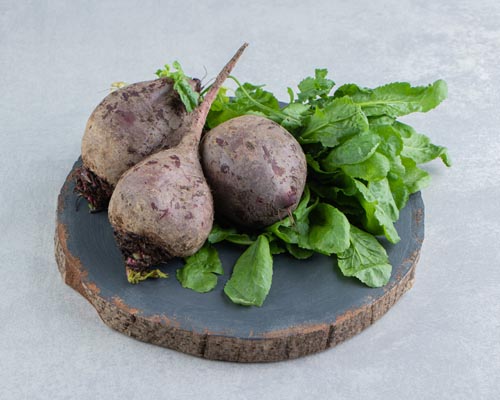
Winter is the season when your body demands extra nourishment. Colder days bring weaker digestion, lower immunity, higher fatigue, and increased heart stress. This is exactly where beetroot, a winter powerhouse, becomes one of the simplest yet most effective foods to add to your diet.

Vibrant, earthy, and loaded with antioxidants, beetroot helps your body function smoothly when the temperature drops and Ayurveda considers it one of the best winter-balancing superfoods.

This in-depth guide will show you:

  • Why beetroot is exceptionally beneficial in winter
  • How it improves immunity, digestion, heart health & energy
  • How much beetroot you should eat
  • The best ways to include it in your diet
  • How to know if beetroot is right for your body type (Ayurvedic body-type test)

Let’s dive into the five most powerful benefits of beetroot in winter, written strategically to enhance readability and ranking.

1. Strengthens Immunity Naturally 

Winter commonly triggers allergies, throat infections, cold, cough, and fatigue. Beetroot helps prepare your immunity with a combination of:

  • Vitamin C
  • Folate
  • Iron
  • Potassium
  • Antioxidants (especially betalains)

These nutrients improve white blood cell function, fight inflammation, and support your natural defence system.

Why beetroot boosts immunity more in winter:

Cold climates increase oxidative stress and slow down the body’s infection-fighting response. Beetroot’s betalains work as potent antioxidants that protect your cells, keeping immunity active even on colder days.

If you struggle with repeated winter infections, pairing beetroot with digestive tonics like Martand Pachak Churan) can support better nutrient absorption and overall immunity.

2. Improves Digestion & Gut Health – High Fibre + Ayurvedic Warmth

Winter digestion is typically slow. You may feel:

  • Bloating
  • Constipation
  • Gas
  • Lower appetite
  • Heavy stomach

Beetroot is naturally rich in soluble fibre, which smoothens bowel movements and promotes gut-friendly bacteria.

Healthy gut benefits of beetroot:

  • Supports daily bowel movement
  • Softens stool
  • Cleanses the colon
  • Feeds good bacteria
  • Enhances nutrient absorption
  • Reduces bloating and heaviness

According to Ayurveda:

Beetroot balances Vata dosha, which spikes in winter and causes dryness, constipation, gas, and irregular digestion. When lightly cooked, beetroot becomes warm, grounding, and ideal for winter gut health.

If poor digestion is a regular concern, combine beetroot with warming spices and consider adding a digestive support like Martand Pachak Churan, especially after heavy meals.

3. Purifies Blood & Supports Liver Detox – Winter’s Cleansing Root

Winter often leads to toxin buildup because we eat heavier foods and move less. Beetroot supports both blood purification and liver detoxification, thanks to nutrients like:

  • Betalains
  • Iron
  • Magnesium
  • Folate
  • Natural nitrates

How beetroot aids detox:

  • Cleanses the liver
  • Reduces inflammation
  • Supports toxin breakdown
  • Enhances blood quality
  • Boosts haemoglobin
  • Improves skin clarity

Its liver-supporting properties make it particularly valuable if you experience:

  • Acne flare-ups
  • Dull skin
  • Low stamina
  • Heavy digestion
  • Frequent acidity

4. Enhances Energy, Stamina & Oxygen Flow

Feeling dull and lazy in winter is normal, but beetroot helps reverse this naturally.

Beetroot’s natural nitrates dilate blood vessels, improving oxygen flow to muscles and brain.

Benefits you feel immediately:

  • Higher stamina
  • Better focus
  • Reduced fatigue
  • Improved exercise performance
  • More stable energy levels

This is why athletes often drink beetroot juice before training. But in winter, even non-athletes benefit,  especially those who feel sluggish due to cold weather.

If low energy is your main winter complaint, a simple daily beetroot serving can transform your routine.

5. Supports Heart Health – Extremely Important in Winter

Winter is hard on the heart. Blood vessels constrict in cold weather, causing increased blood pressure and circulation issues.

Beetroot’s nitrates naturally relax blood vessels, helping maintain healthy blood flow.

Heart benefits of beetroot:

  • Maintains healthy blood pressure
  • Reduces stiffness in arteries
  • Improves circulation
  • Supports production of red blood cells
  • Reduces inflammation

For people with a history of BP fluctuations during winter, beetroot becomes an extremely valuable addition to the diet.

Is Beetroot Right for Your Body Type? (Ayurvedic Body-Type Guide)

Ayurveda says food is medicine only when it matches your body type. Here’s a simple breakdown to help you understand if beetroot suits your constitution.

Vata Body Type (Dry, cool body; prone to gas, constipation)

Beetroot is excellent for you.

Vata individuals benefit greatly because beetroot is:

  • Grounding
  • Moisture-rich
  • Easy to digest when cooked
  • Naturally warming

Recommended form:

  • Beetroot soup
  • Warm beetroot sabzi
  • Lightly steamed beetroot salad

Avoid: Too much raw beetroot.

Pitta Body Type (Hot body; prone to acidity or heat)

Beetroot suits you moderately.

It cools internal heat slightly, and its blood-purifying nature benefits Pitta.

Recommended form:

  • Beetroot raita
  • Beetroot juice (not daily)
  • Beetroot salad

Avoid:
Overconsumption, especially with spicy meals may cause slight heat.

Kapha Body Type (Cold, slow metabolism; prone to weight gain)

Beetroot is good but in controlled amounts.

Kapha individuals should combine beetroot with warming spices to avoid sluggish digestion.

Recommended form:

  • Beetroot sabzi with black pepper, jeera, ginger
  • Beetroot soup
  • Warm beetroot juice

Avoid:
Beetroot at night or in raw form  may feel heavy.

How to Include Beetroot in Your Winter Diet ?

These preparation methods enhance digestion, nutrient absorption, and winter compatibility:

1. Warm Beetroot-Carrot Soup

Perfect for dinner supports digestion & detox.

2. Beetroot Sabzi with Jeera and Ghee

Enhances winter digestive fire.

3. Lightly Steamed Beetroot Salad

Easier to digest than raw winter salads.

4. Beetroot Raita

Balances warmth and coolness, great for Pitta.

5. Beetroot Juice (Morning Only)

Ideal for energy & stamina but avoid consuming it cold in winter.

6. Beetroot Paratha

Kids love it; adults digest it well when paired with ajwain.

How Much Beetroot Should You Eat in Winter?

Ideal intake:

½ to 1 beetroot per day, in cooked or lightly steamed form.

Avoid:

  • Eating raw beetroot in large quantities
  • Drinking cold beetroot juice in winter
  • Eating beetroot at night if you have heavy digestion

Who Should Definitely Add Beetroot This Winter?

You need beetroot if you have:

  • Low hemoglobin
  • Frequent cold/cough
  • Sluggish digestion
  • Dull skin
  • High BP
  • Winter fatigue
  • Poor blood circulation
  • Excessive dryness

Beetroot is one of the simplest habits that supports overall winter wellness.

Final Thoughts – The Winter Superfood Your Body Truly Needs

Beetroot is more than a colourful root; it supports immunity, digestion, heart health, liver function, and energy, all the concerns that rise in winter.

To recap, the 5 amazing health benefits of beetroot in winter:

  1. Boosts immunity
  2. Enhances digestion & gut health
  3. Detoxifies the liver & purifies blood
  4. Increases stamina & energy
  5. Supports heart health & circulation

Whether you’re trying to improve digestion, boost immunity, or maintain energy in cold months, beetroot is one of the simplest additions to your diet.

How to Improve Gut Health: 7 Simple & Natural Ways That Actually Work

ayurvedic treatment for acidity

A healthy gut is the real foundation of overall wellness. Your immunity, digestion, metabolism, mood, and even skin glow depend on it. Yet most people ignore their gut until acidity, bloating, constipation, or low energy start disrupting daily life.

The good news? You don’t need complicated diets or expensive treatments. Your gut can heal beautifully with a few mindful, natural habits, especially when supported with herbs and traditional Ayurvedic wisdom.

If you’re looking for simple, natural, and genuinely effective ways to improve gut health, this guide will give you exactly that clear steps you can start today.

Let’s dive into 7 proven habits that strengthen digestion, boost metabolism, and restore balance in your gut microbiome.

1. Start Your Morning With Warm Water – Wake Up Your Digestive Fire (Agni)

One of the easiest and most underestimated gut-healing practices is drinking warm water first thing in the morning.

Warm water:

  • Stimulates the digestive system
  • Flushes out toxins (ama)
  • Activates metabolism
  • Reduces bloating and constipation
  • Prepares the gut for food intake

You can enhance this ritual by adding:

  • Lemon – improves bile flow
  • Honey – supports gut bacteria
  • Ginger – reduces acidity and inflammation

This simple Ayurvedic ritual strengthens your agni (digestive fire), which directly improves how your body breaks down and absorbs food.

2. Eat Gut-Friendly Foods – Feed the Good Bacteria

Your gut contains trillions of bacteria, and their balance determines whether you feel energetic or sluggish. Diet has the biggest influence on gut health.

Foods that improve gut health naturally:

  • Fermented foods – curd, buttermilk, pickle, kanji
  • Prebiotic foods – bananas, onions, garlic, oats, apples
  • Fiber-rich foods – millets, leafy greens, vegetables
  • Healthy fats – ghee, nuts, coconut
  • Seasonal fruits – support digestion and hydration

Avoid overdoing packaged foods, refined sugar, and fried snacks, they feed harmful bacteria and slow digestion.

The 3:1 Plate Rule (highly effective)

  • 3 parts plant-based (vegetables + fruits + whole grains)
  • 1 part protein

This ratio improves digestion, reduces acidity, and helps maintain a lighter gut.

3. Choose a Mindful Eating Pattern – How You Eat Matters As Much As What You Eat

Most gut problems don’t come only from food, they come from eating habits.

Adopt these 5 mindful eating rules:

  1. Don’t eat when stressed or angry
    The body shuts down digestion during stress. 
  2. Chew thoroughly (32 times rule)
    Proper chewing = better gut health. 
  3. Avoid overeating
    Leave 20% space empty for proper digestion. 
  4. Eat meals at fixed timings
    The gut likes routine. 
  5. Avoid cold water with meals
    It weakens digestive fire.

These practices might sound small, but they transform digestion and long-term gut health.

4. Add Ayurvedic Digestive Herbs – Natural, Powerful & Trusted

Ayurveda has always placed gut health at the center of wellness. Certain herbs directly support digestion, improve absorption, reduce toxins, and balance the gut microbiome.

Here are the most effective gut-supporting herbs:

Triphala

  • Improves bowel movement
  • Detoxifies the colon
  • Balances gut flora
  • Reduces constipation naturally


Mulethi (Licorice)

  • Soothes the stomach lining
  • Helps with acidity & ulcers
  • Promotes a calm and balanced gut

Jeera, Ajwain & Saunf

These spices enhance digestion, reduce gas, and prevent bloating.

Kutki & Giloy

Powerful herbs for detoxification and liver support (which directly impacts digestion).

Pachak Churan 

A high-quality pachak churan supports daily digestion, relieves heaviness, and keeps the gut active.
If you want a herbal, clean, and reliable option Martand Pachak Churan offers a balanced formula crafted with traditional digestive herbs.

Herbs restore gut strength naturally, without causing dependency.

5. Stay Active – Movement Is the Best Gut Stimulator

A sedentary lifestyle slows digestion and leads to bloating, gas, and constipation. You don’t need intense workouts, just movement.

Simple movement habits that improve gut activity:

  • 20–30 minute walk after meals
  • Light yoga (especially Pavanmuktasana & Vajrasana)
  • Surya Namaskar (improves overall digestive strength)
  • Staying upright for 20 minutes after eating


Walking after meals is scientifically proven to:

  • Improve digestion
  • Maintain sugar balance
  • Reduce heaviness
  • Support smooth bowel movement

Just 2–3 minutes of gentle movement can make a big difference.

6. Manage Stress – Because Your Gut Has a Brain of Its Own

Your gut has something special called the enteric nervous system, often called the “second brain”.
This means stress directly affects digestion.

Signs your gut is reacting to stress:

  • Acidity
  • Loose motions
  • Poor appetite
  • Bloating
  • Mood swings


Simple stress-management practices:

  • 5 minutes deep breathing
  • Meditation
  • Outdoor walk
  • Listening to music
  • Warm shower before bed

Even a small reduction in daily stress improves gut health dramatically.

7. Keep Your Sleep Cycle Healthy – The Gut Heals at Night

The gut repairs itself when you sleep.

Poor sleep = poor digestion.

To restore a healthy sleep rhythm:

  • Avoid heavy meals after 8 PM
  • Put screens away 30–45 minutes before bed
  • Drink warm milk with a pinch of turmeric or nutmeg
  • Keep your bedroom cool and quiet

Deep sleep boosts the growth of good gut bacteria and strengthens the digestive system.

Bonus: 5 Gut Habits That Work Surprisingly Well

These are lesser-known but extremely effective:

  1. Eat your biggest meal at lunch

Digestion is strongest between 12 PM – 2 PM.

  1. Don’t multitask while eating

It confuses the gut-brain connection.

  1. Include natural bitters

Methi, karela, neem support detox and metabolism.

  1. Stop drinking water right after meals

It weakens digestive juices, wait 20–30 minutes.

  1. Give your gut a weekly reset

Simple meals & warm water for one day work wonders.

Why Gut Health Should Be Your Priority

Improving digestion impacts nearly every part of life:

  • More energy
  • Clearer skin
  • Better metabolism
  • Stronger immunity
  • Balanced hormones
  • Better mood & reduced anxiety
  • Improved nutrient absorption

A healthy gut = a healthy body.

How Martand Store Supports Gut Wellness

Martand brings traditional, natural, and clean formulations designed to strengthen digestion and restore gut balance – just the way Ayurveda intended.

Martand Pachak Churan includes a blend of herbs that help with:

  • Indigestion & heaviness
  • Gas & bloating
  • Acidity
  • Slow metabolism
  • Poor appetite

It is gentle, herbal, non-addictive, and safe for daily use. When paired with the 7 gut-friendly habits mentioned above, it brings long-term results.

Final Thoughts

Improving gut health doesn’t require complicated diets or expensive treatments.
Small, natural shifts bring massive results.

To summarise the 7 natural ways to improve gut health:

  1. Warm water morning routine
  2. Gut-friendly clean eating
  3. Mindful eating habits
  4. Ayurvedic herbs & pachak churan
  5. Daily movement
  6. Stress management
  7. Healthy sleep cycle

Your gut controls much more than digestion. It shapes how you feel every day. Start caring for it and you’ll notice changes within days.

Gas and Gas Pain: Causes, Symptoms, and Effective Relief

Digestive discomfort is something almost everyone experiences at some point in life. Among the most common issues is gas and gas pain, a condition that may feel embarrassing to talk about but is completely normal. While occasional gas is a natural part of digestion, excessive gas buildup can result in bloating, sharp abdominal pain, heaviness, and discomfort.

If you’ve ever wondered why gas happens, what causes severe bloating, or how to get quick and long-lasting relief, this guide will help you understand everything clearly.

What Is Gas and Why Does It Occur?

Gas forms naturally during digestion. Your body produces gas when breaking down food, swallowing air while eating or talking, or when bacteria ferment undigested carbohydrates in the intestines. A normal amount of gas is released through burping or passing stool but excessive gas can cause noticeable discomfort.

Some people experience:

  • Mild bloating
  • Sudden sharp stomach cramps
  • Frequent gas release
  • Pressure around the belly

This can interrupt daily life, cause embarrassment, and even lead to anxiety around meals.

Common Causes of Gas and Gas Pain

There are multiple factors that trigger gas formation. Understanding the cause helps in choosing the right treatment.

1. Food Habits

Certain foods produce more gas during digestion, especially:

  • Beans, peas, lentils
  • Broccoli, cabbage, cauliflower
  • Onions, garlic
  • Carbonated beverages
  • High-fiber foods
  • Oily or spicy meals

Sudden increase in fiber without enough water also causes excessive gas.

2. Food Intolerances

Some individuals may have difficulty digesting:

  • Lactose (milk products)
  • Gluten (wheat, barley, rye)
  • Artificial sweeteners like sorbitol or xylitol

This leads to fermentation in the intestines, causing bloating and gas pain.

3. Eating and Lifestyle Habits

We often swallow air unconsciously while:

  • Chewing gum
  • Drinking through a straw
  • Eating too fast
  • Talking while eating

This trapped air turns into gas inside the body.

4. Gut Microflora Imbalance

Your digestive system contains billions of healthy bacteria. When their balance gets disturbed due to:

  • Antibiotics
  • Stress
  • Irregular eating patterns
  • Low fiber diet

it may lead to fermentation and gas buildup.

5. Underlying Digestion Issues

Sometimes, excessive gas may indicate conditions like:

  • Irritable Bowel Syndrome (IBS)
  • Acid reflux (GERD)
  • Constipation
  • Gastritis
  • Inflammatory bowel disease

If symptoms persist for weeks or worsen, medical guidance is important.

Symptoms of Gas and Gas Pain

Excess gas does not affect just the stomach, it impacts overall comfort.

Common symptoms include:

  • Abdominal swelling or bloating
  • Noticeable stomach hardness
  • Stabbing pain or pressure in the abdomen
  • Belching or burping
  • Flatulence
  • Gurgling noises in the stomach
  • Pain radiating to the back or chest

Symptoms may become stronger after eating heavy, oily, or spicy meals.

How to Get Relief From Gas and Gas Pain

Relief methods vary based on severity. Here are the most effective solutions:

1. Modify Eating Habits

  • Eat slowly and chew well
  • Avoid carbonated drinks
  • Reduce deep-fried and spicy foods
  • Avoid talking while chewing
  • Hydrate plenty

These small changes can significantly reduce gas formation.

2. Follow a Gut-Friendly Diet

Include:

  • Warm water
  • Ginger tea
  • Fennel seeds (Saunf)
  • Peppermint
  • Jeera water (Cumin)
  • Probiotic-rich foods like yogurt

Avoid:

  • Junk food
  • Processed snacks
  • Excess sugar
  • Late meals

3. Add Natural Remedies

Traditional remedies are known to give fast relief:

  • Ajwain (Carom Seeds): Reduces acidity and gas
  • Black salt & lemon water: Eases trapped gas
  • Triphala: Improves digestion and bowel movement

These natural ingredients help reduce bloating and regulate digestion.

4. Stay Active

Physical activity supports digestion and prevents gas buildup. Simple actions like:

  • Walking for 15–20 minutes after meals
  • Gentle stretching
  • Yoga poses like Pawanmuktasana, Vajrasana, and Balasana can give instant relief.

5. Avoid Stress

Stress affects digestion and may trigger gas. Practices like:

  • Meditation
  • Breathing exercises
  • Sound sleep

help maintain healthy digestion.

When Should You Seek Medical Advice?

Gas is usually harmless, but consult a doctor if you experience:

  • Persistent stomach pain
  • Blood in stool
  • Severe constipation
  • Unexplained weight loss
  • Constant heartburn

These symptoms may indicate an underlying digestive disorder.

Preventive Tips for Healthy Digestion

Eat balanced meals
Maintain mealtime consistency
Stay hydrated throughout the day
Limit fried and junk foods
Consume natural digestive enhancers

Making digestion-friendly lifestyle changes ensures long-term relief.

Final Thoughts

Gas and gas pain are common digestive problems but they don’t have to disrupt your life. By understanding the causes, improving eating habits, choosing natural remedies, and maintaining a healthy lifestyle, you can significantly reduce discomfort and restore smooth digestion.

Explore wellness at Martand.store and take the first step toward better digestion and a healthier you.

Pipli in Ayurveda: The Secret Spice for Immunity, Digestion & Vitality

If you’ve grown up around Ayurveda or home remedies, chances are you’ve seen your elders reach for certain herbs whenever someone fell sick. Something for cough, something for stomach discomfort, something for immunity Indian kitchens have always been more than just places to cook. They are natural pharmacies built on thousands of years of knowledge.

One such ingredient, often overlooked today yet deeply respected in Ayurveda, is Pipli also known as Long Pepper (Piper longum). It looks similar to black pepper but slightly longer, and its taste is warmer, sharper, and more aromatic.

In ancient Ayurvedic texts, including the Charaka Samhita, Pipli is mentioned not just as a spice, but as a Rasayana, meaning it promotes long life, strengthens the immune system, and supports overall well-being.

Today, as people seek natural and holistic approaches to health especially to boost immunity, digestion, energy, and respiratory strength, Pipli is making a comeback.

What Makes Pipli So Special?

In Ayurveda, every herb is understood based on its qualities, effects, and post-digestion impact. Pipli is known for:

Ayurvedic Principle Pipli Quality
Rasa (Taste) Pungent
Virya (Energy) Heating
Vipaka (After-digestion effect) Sweet
Dosha Influence Balances Vata and Kapha, may increase Pitta if overused

This makes Pipli a natural fit for people who struggle with:

  • Weak digestion
  • Slow metabolism
  • Mucus accumulation
  • Low immunity
  • Cold or damp body constitution

It is also one of the main ingredients in popular Ayurvedic formulations like:

  • Trikatu
  • Sitopaladi Churna
  • Chyawanprash

If you’ve ever taken these during winters or seasonal flu, Pipli silently contributed to your recovery.

Key Health Benefits of Pipli

1. Strengthens Immunity Naturally

One of the most appreciated benefits of Pipli is its ability to support a strong immune response.

Its warming nature helps the body fight infections, and its antioxidant compounds support healthier cells and faster recovery.

People who get frequent:

  • Seasonal colds
  • Viral infections
  • Low energy during weather change

often find Pipli useful when taken regularly in small amounts.

2. Excellent for Digestion & Gut Balance

Digestion lies at the heart of health in Ayurveda. Weak digestion leads to Ama (toxins), and toxins eventually affect immunity, metabolism, and energy.

Pipli is known to:

  • Stimulate digestive fire (Agni)
  • Improve nutrient absorption
  • Reduce gas, bloating, and indigestion
  • Support better gut microbiome balance

If you’re someone who feels tired after meals or struggles with sluggish digestion, Pipli can gently encourage the stomach to work better without harsh side effects.

3. Supports Respiratory Health

For generations, Pipli has been used in home remedies for cough, cold, and breathing difficulty, especially in humid or winter seasons.

It acts as a natural:

  • Expectorant (loosens mucus)
  • Lung cleanser
  • Respiratory tonic

Ayurveda recommends it in conditions involving heavy chest feeling, sinus congestion, slow breath, or frequent throat irritation, especially when caused by Kapha imbalance.

4. Helps in Weight Management & Metabolism

Because Pipli increases metabolic fire and improves digestion, it indirectly supports healthy weight balance.

It helps:

  • Burn stored fat
  • Reduce sluggish metabolism
  • Improve nutrient assimilation

People often notice better energy and lighter digestion when Pipli becomes part of their routine, especially when combined with a mindful diet.

5. Natural Anti-Inflammatory Properties

Inflammation is one of the root causes of chronic fatigue, joint discomfort, and lifestyle disorders.

Due to its warming and circulation-improving nature, Pipli can help:

  • Reduce muscle and joint stiffness
  • Improve flexibility
  • Support mobility

Those living in cold climates or with Vata imbalance often find relief with Pipli when taken mindfully.

6. Supports Vitality, Stamina & Longevity

Ayurvedic doctors have historically recommended Pipli to those recovering from:

  • Illness
  • Surgery
  • Fatigue
  • Weakness
  • Long-term respiratory illness

This is because Pipli helps restore natural energy levels without overstimulating the body unlike caffeine or artificial stimulants.

Modern Research Supports Ancient Wisdom

Recent studies suggest that Pipli may have:

  • Antiviral
  • Anti-inflammatory
  • Digestive-enhancing
  • Antioxidant
  • Respiratory-protective

properties aligning with what Ayurveda has said for thousands of years.

Science is simply catching up to tradition.

How to Consume Pipli 

Pipli can be incorporated into daily routines in several ways:

Method Best For
Pipli powder with warm water Digestion & metabolism
Pipli with honey Cough, mucus, cold
Pipli tea with ginger Respiratory health
Pipli + turmeric milk Inflammation & immunity
Pipli capsules/tablets Convenience for lifestyle use

A Simple Home Remedy

For cough or mucus buildup:

¼ teaspoon Pipli powder + 1 teaspoon honey, twice a day.

This has been a trusted remedy across generations.

Recommended Dosage

Type Approximate Dose
Powder 1–2 grams per day
Capsules/Tablets As per labeled recommendation

Start low, observe your body, and increase gradually if suitable.

Precautions You Should Know

Even natural herbs need mindful use.

Avoid or consult an Ayurvedic practitioner if:

  • You have high acidity or ulcers
  • You are pregnant or breastfeeding
  • You have high Pitta symptoms like excessive heat or irritability
  • You’re already taking blood thinners or medication

Balance not excess is key.

Pipli vs. Black Pepper, Are They the Same?

Many people confuse them but they are different.

Feature Pipli Black Pepper
Strength Stronger, medicinal Mild, culinary
Primary use Respiratory + metabolic support Digestion
Role in Ayurveda Rasayana & bio-enhancer Agni stimulant

Both have value, but Pipli is more therapeutic in nature.

Why Pipli Matters Today

Modern lifestyles bring challenges Ayurveda never had to explain:

  • Fast food
  • Stress
  • Pollution
  • Sedentary habits
  • Poor immunity patterns

Pipli offers support where the modern lifestyle weakens, gently correcting imbalance, strengthening the gut, waking up metabolism, and supporting natural immunity.

It reminds us of something simple yet powerful:

Healing can be natural, slow, and deeply restorative.

Bringing Pipli to Your Routine with Martand

At Martand, we believe Ayurveda should remain authentic, accessible, and meaningful, not just trend-based.

We work with trusted natural growers and follow traditional processing methods to ensure herbs like Pipli retain their true healing intelligence.

Whether you’re building:

  • Better immunity
  • Stronger digestion
  • Respiratory support
  • Healthier long-term wellness habits

Martand offers reliable Ayurvedic products crafted with purity and intention.

Because good health shouldn’t feel complicated it should feel natural.

Final Thoughts

Pipli is one of Ayurveda’s most powerful yet underestimated herbs.
Whether you want to support your lungs, digestion, metabolism, or immunity this simple spice can make a meaningful difference when used correctly and consistently.

Sometimes the most powerful remedies are already in nature; we just need to rediscover them.

Best Ayurvedic Churnas for Instant Gas Relief

Digestive issues like gas, bloating, and indigestion have become increasingly common in today’s fast-paced lifestyle. From irregular eating habits to stress, several factors can trigger discomfort. Fortunately, Ayurveda offers a time-tested solution-herbal churnas (powders) that naturally aid digestion and provide fast relief from gas.

In this blog, we’ve curated some of the best Ayurvedic churnas for instant gas relief, starting with the highly effective Martand Pachak Churan.


1. Martand Pachak Churan – Fast, Natural Gas Relief

If you’re seeking an effective, natural remedy for gas and indigestion, Martand Pachak Churan stands out as a reliable choice. This traditional Ayurvedic formulation is a blend of powerful digestive herbs like hing (asafoetida), ajwain (carom seeds), jeera (cumin), and saunf (fennel).

Benefits:

  • Provides instant relief from gas and bloating
  • Stimulates digestive enzymes naturally
  • Helps reduce acidity and heaviness after meals
  • Completely herbal and safe for regular use

Its quick action and pleasant taste make it a preferred choice among those who experience frequent gastric discomfort.


2. Dabur Hingwashtak Churna

A classic Ayurvedic formulation, Hingwashtak Churna contains hing, trikatu (black pepper, ginger, and long pepper), and ajwain-all known for their strong carminative properties.

Benefits:

  • Promotes digestive fire (agni) and reduces flatulence
  • Effective in treating colic, indigestion, and constipation
  • Safe for long-term use


3. Baidhyanath Gaisantak Churna

This churna is specially formulated for chronic gas-related problems. With ingredients like sonth (dry ginger), amla, and saunf, it soothes the stomach and balances Vata dosha.

Benefits:

  • Reduces gas formation and abdominal discomfort
  • Aids in smoother bowel movements
  • Offers relief from acidity and sour burps


4. Zandu Hingvashtak Churna

Zandu’s version of Hingwashtak Churna is known for its quality and consistency. The potent mix of eight spices ensures fast gas relief and improved digestion.

Benefits:

  • Stimulates digestion and absorption
  • Relieves gas, colic, and loss of appetite
  • Ideal after heavy meals or overeating


5. Patanjali Pachak Anardana Churna

Made from dried pomegranate seeds (anardana), black salt, and other natural digestive enhancers, this churna is both tangy and therapeutic.

Benefits:

  • Reduces bloating and flatulence
  • Improves taste perception and appetite
  • Safe for daily consumption after meals


Final Thoughts

When it comes to instant gas relief, Ayurvedic churnas offer a natural and side-effect-free way to ease discomfort. Among the various options, Martand Pachak Churan has emerged as a top performer due to its quick action, rich herbal formulation, and ease of use.

Whether you’re looking for occasional relief or managing chronic digestive issues, incorporating an Ayurvedic churna into your routine could be the gentle, effective solution your gut needs.


Disclaimer: Always consult with a qualified Ayurvedic practitioner or your healthcare provider before starting any herbal remedy, especially if you have pre-existing conditions or are on medication.

Remedies for Constipation: Natural and Simple Ways to Feel Better

Constipation is a condition that affects people of all ages. Whether it’s occasional or frequent, it can be uncomfortable and frustrating. Constipation usually means having fewer than three bowel movements in a week, and it often comes with symptoms like bloating, hard stools, stomach cramps, or the feeling that you haven’t completely emptied your bowels.

But the good news is that most cases of constipation can be treated naturally at home. In this blog, we’ll explore the best remedies for constipation-from simple diet changes to age-old Ayurvedic tips-that can help restore smooth and regular digestion.


What Causes Constipation?

Before we look at the remedies, it helps to understand what might be causing your constipation. Some common reasons include:

  • A low-fiber diet

  • Not drinking enough water

  • Lack of physical activity

  • Ignoring the urge to go to the toilet

  • Stress or changes in daily routine

  • Overuse of certain medications

  • Poor gut health or imbalance in digestion

Understanding the root cause helps in choosing the right remedy. Now, let’s look at simple, effective solutions.


1. Increase Your Fiber Intake

Fiber is one of the most important nutrients for healthy digestion. It adds bulk to your stool, making it easier to pass. There are two types of fiber-soluble and insoluble-and both are important.

Fiber-rich foods to include:

  • Fruits: papaya, banana, apple, orange, kiwi, guava

  • Vegetables: spinach, carrot, beetroot, cabbage

  • Whole grains: oats, brown rice, quinoa, whole wheat

  • Nuts and seeds: almonds, chia seeds, flax seeds

  • Legumes: lentils, chickpeas, beans

Aim to include fiber in every meal. Start slow and gradually increase your intake to avoid gas or bloating.


2. Drink More Water

Water is essential to keep your digestive system running smoothly. When you don’t drink enough fluids, your stool becomes dry and hard, making it more difficult to pass.

Try to drink at least 7–8 glasses of water every day. Warm water, especially in the morning, can help stimulate bowel movement. You can also include coconut water, buttermilk, or fresh fruit juices to stay hydrated.


3. Stay Physically Active

Sitting for long hours slows down your digestion. Light physical activity helps stimulate your intestines and promotes natural bowel movements.

Easy ways to stay active:

  • Go for a 20–30 minute walk after meals

  • Try yoga poses like Pawanmuktasana, Vajrasana, or Malasana

  • Do simple stretches or home exercises in the morning

Being consistent is key. Even light movement can make a big difference.


4. Set a Toilet Routine

Having a fixed time for bowel movement trains your body to follow a natural rhythm. Many people find that going to the toilet early in the morning, especially after drinking warm water or tea, works best.

Here are a few tips:

  • Never ignore the urge to pass stool

  • Try not to rush or use your phone while on the toilet

  • Sit in a relaxed position, and if needed, use a small stool under your feet to mimic a natural squatting position


5. Ayurvedic Home Remedies

Ayurveda offers some gentle and effective remedies for constipation. These are natural, time-tested, and usually safe for regular use.

Common Ayurvedic remedies:

  1. Triphala Churna
    This is a blend of three fruits-Haritaki, Amalaki, and Bibhitaki. Taken at night with warm water, Triphala helps cleanse the intestines gently and naturally.
  2. Warm Milk with Ghee
    Drinking a glass of warm milk with 1 teaspoon of pure cow ghee before bedtime can help with smoother bowel movements in the morning.
  3. Soaked Raisins or Figs
    Raisins and figs act as natural laxatives. Soak a handful overnight and eat them in the morning.
  4. Fennel (Saunf) Tea
    Boil 1 tsp fennel seeds in water, strain, and drink after meals. It soothes the digestive tract and reduces bloating.
  5. Ajwain (Carom Seeds) and Black Salt
    Chew ajwain with a pinch of black salt after meals. It helps relieve gas and supports better digestion.

These remedies are simple and can be added to your daily routine without much effort.


6. Use Natural Laxatives (When Needed)

If dietary and lifestyle changes don’t bring relief, you can try mild natural laxatives like Isabgol (psyllium husk) or senna-based herbal powders. These help soften the stool and stimulate bowel movement.

However, natural laxatives should be used occasionally and not relied on daily. Overuse may weaken your natural urge to go to the toilet.


7. Eat Light and Fresh Meals

Heavy, oily, or fried foods can make constipation worse. Try to eat more home-cooked meals that are easy to digest.

Tips for better eating:

  • Include warm foods instead of cold or raw foods

  • Add digestive spices like cumin, coriander, and turmeric

  • Avoid processed foods, excessive dairy, and refined sugar

  • Eat smaller portions more frequently instead of large heavy meals


8. Stay Calm and Stress-Free

Stress affects the gut directly. Anxiety, worry, and irregular routines can trigger constipation in many people. Try to include calming activities like:

  • Deep breathing

  • Meditation

  • Listening to soft music

  • Spending time in nature

A relaxed mind supports better digestion.


9. Don’t Ignore Long-Term Issues

While most cases of constipation are temporary, chronic constipation may be a sign of an underlying issue. If you experience:

  • Blood in stool

  • Severe stomach pain

  • Frequent bloating or vomiting

  • Constipation lasting more than 2 weeks

…it’s important to consult a doctor for proper diagnosis and treatment.


Conclusion

Constipation may be common, but with the right care, it’s also easy to manage. Simple changes in what you eat, how much you move, and your daily routine can bring relief. Ayurvedic remedies like Triphala, ghee with milk, and fennel tea are gentle and effective for natural relief.

Remember, a healthy gut is the key to a healthy life. Pay attention to your digestion, stay hydrated, eat mindfully, and take a few minutes each day to care for your body. You’ll feel lighter, fresher, and more energetic.

Side Effects of Ginger That Everyone Should Know About

Side Effects of Ginger

Ginger, a common household spice and a staple in many traditional remedies, is often hailed as a natural cure for numerous ailments. From soothing an upset stomach to combating inflammation, its benefits are widely celebrated. However, like any natural remedy, ginger is not without potential side effects. In this blog, we delve into the lesser-known side effects of ginger that everyone should be aware of, ensuring you use this powerful root safely and effectively.

1. Digestive Discomfort

While ginger is commonly used to ease nausea and indigestion, consuming it in excessive amounts can lead to digestive discomfort. High doses of ginger may cause:

  • Heartburn
  • Diarrhea
  • Stomach cramps

This is because ginger stimulates the digestive system, and over-stimulation can lead to these adverse effects.

2. Lowered Blood Sugar Levels

Ginger has been found to lower blood sugar levels, which can be beneficial for individuals with diabetes. However, for some people, especially those on diabetes medication, excessive ginger consumption can lead to dangerously low blood sugar levels (hypoglycemia). Symptoms of hypoglycemia include:

  • Dizziness
  • Confusion
  • Weakness

If you are diabetic, it is essential to consult your doctor before incorporating large amounts of ginger into your diet.

3. Increased Risk of Bleeding

Ginger has natural blood-thinning properties, which can interfere with blood clotting. While this property makes it helpful for improving circulation, it can pose a risk for people who:

  • Take anticoagulant medications (like Warfarin)
  • Have a bleeding disorder
  • Are preparing for surgery

Excessive consumption of ginger in such cases can increase the risk of bleeding and should be avoided.

4. Allergic Reactions

Although rare, some individuals may experience allergic reactions to ginger. Symptoms of a ginger allergy can include:

  • Skin rashes
  • Itching
  • Swelling of the throat or tongue
  • Difficulty breathing

If you notice any of these symptoms after consuming ginger, seek medical attention immediately.

5. Interaction with Medications

Ginger can interact with several types of medications, including:

  • Blood thinners
  • Blood pressure medications
  • Diabetes medications

These interactions may amplify the effects of the medications, leading to potentially serious health risks. Always inform your healthcare provider if you plan to use ginger supplements, especially if you are on prescription drugs.

6. Risk During Pregnancy

Ginger is often recommended to alleviate morning sickness during pregnancy. However, excessive consumption might lead to complications, such as:

  • Increased risk of miscarriage (in high doses)
  • Hormonal imbalances

Pregnant women should use ginger in moderation and consult their doctor before including it in their diet regularly.

7. May Cause Mouth Irritation

For some individuals, consuming raw ginger or ginger supplements can cause irritation in the mouth or a burning sensation. This is often referred to as “oral allergy syndrome.” If you experience this, consider reducing the amount of ginger or switching to cooked forms.

How to Safely Consume Ginger

  • Moderation is Key: Limit your ginger intake to 3-4 grams per day.
  • Consult a Doctor: Especially if you are pregnant, taking medications, or have underlying health conditions.
  • Opt for Fresh and Organic: Using fresh, organic ginger can reduce the risk of ingesting harmful additives or chemicals.

Conclusion

Ginger is undoubtedly a versatile and beneficial herb, but it is not free from side effects. Being aware of these potential issues allows you to enjoy the benefits of ginger without compromising your health. When in doubt, consult a healthcare professional to ensure that ginger is a safe addition to your diet.

5 Health Benefits of Fennel Seeds

TRIPHALA FOR CONSTIPATION: BEST TIME TO TAKE, DOSAGE, EFFECTIVENESS

5 Beauty Benefits Of Applying Coconut Oil Under Eye

coconut oil

Coconut oil has long been celebrated as a versatile natural remedy for various skin and health concerns. One of its many uses is as an under-eye treatment. Packed with essential nutrients and hydrating properties, coconut oil can work wonders for the delicate skin beneath your eyes. Here are five beauty benefits of applying coconut oil under your eyes:

1. Reduces Dark Circles

Dark circles can result from stress, lack of sleep, or genetics. Coconut oil’s anti-inflammatory and skin-lightening properties help diminish the appearance of dark circles. The lauric acid in coconut oil promotes blood circulation, ensuring the skin under your eyes looks brighter and more refreshed.

2. Hydrates Dry Under-Eye Skin

The skin under your eyes is delicate and prone to dryness. Coconut oil is an excellent moisturizer, penetrating deeply to nourish and hydrate the area. Regular application prevents flakiness and leaves your skin feeling soft and supple.

3. Reduces Fine Lines and Wrinkles

As a natural emollient, coconut oil enhances skin elasticity, making it effective in reducing fine lines and wrinkles. Its antioxidant properties combat free radicals that contribute to premature aging, keeping the under-eye area youthful and smooth.

4. Soothes Puffiness

Puffy eyes are a common issue caused by fluid retention or lack of sleep. Coconut oil’s anti-inflammatory properties help reduce swelling and calm irritated skin. A gentle massage with coconut oil also stimulates lymphatic drainage, alleviating puffiness.

5. Provides a Natural Glow

Coconut oil imparts a natural sheen to the skin, making your under-eye area look healthier and more vibrant. It enhances the overall texture of the skin, giving it a radiant appearance.

How to Apply Coconut Oil Under Your Eyes

  1. Cleanse Your Face: Start with a clean face to ensure no makeup or dirt interferes with the absorption of coconut oil.
  2. Take a Small Amount: Use your fingertip to take a pea-sized amount of organic, cold-pressed coconut oil.
  3. Apply Gently: Dab the oil under your eyes using your ring finger to avoid applying too much pressure.
  4. Leave It Overnight: For best results, leave the oil on overnight and rinse it off with lukewarm water in the morning.

Precautions to Keep in Mind

  • Always perform a patch test before using coconut oil to rule out any allergies.
  • Avoid applying too close to your eyes to prevent irritation.
  • Use pure, unrefined coconut oil for maximum benefits.

Conclusion

Coconut oil is a natural, affordable, and effective solution for under-eye care. By incorporating it into your nightly skincare routine, you can address common under-eye concerns while pampering your skin with its nourishing properties. Say goodbye to dark circles, puffiness, and fine lines, and hello to a brighter, more youthful look!

चेहरे के लाल दाने कैसे हटाएं? अपनाएं ये 5 टिप्स और घरेलू उपाय

Bloating Can Be More Than Just A Digestion Problem: Know More About the Causes

X
0
    0
    Your Cart
    Your cart is emptyReturn to Shop