

Summer should feel refreshing, but for many people, it brings an unwelcome companion: acidity and heartburn. High temperatures, dehydration, irregular meals, and heavy or spicy foods can disturb digestion, leading to bloating, chest burning, or discomfort after meals. This is not unusual; summer acidity is common because heat and lifestyle changes affect the body’s natural digestive balance.
Understanding the causes can help you manage symptoms and enjoy the season comfortably.
Why Acidity Increases During Summer
During hot months, your digestive system works harder. Increased body heat and dehydration can slow digestion, causing acid to accumulate in the stomach. Cravings for cold drinks, fried snacks, or spicy street food further challenge your stomach. Skipping meals or irregular eating schedules also makes it easier for acidity to flare up.
Main Causes of Summer Acidity
-
Dehydration
Heat causes fluid loss through sweat, which reduces saliva—your natural acid neutralizer—and increases stomach acid concentration.Solution: Sip water regularly. Include coconut water, buttermilk, or lemon water. Avoid sugary, carbonated, or caffeinated drinks that worsen acidity.
-
Spicy and Oily Foods
Fried snacks, curries, and street foods can irritate the stomach lining. Paired with sugary cold drinks, they lead to heartburn and bloating.Solution: Prefer lighter meals. Include cooling foods such as cucumber, curd, watermelon, and bottle gourd.
-
Irregular Meals
Skipping breakfast, eating lunch late, or having heavy dinners disrupts your stomach’s rhythm. Prolonged empty stomach increases acid production.Solution: Eat small, regular meals every 3–4 hours. Keep fruits, nuts, or soaked almonds handy. Avoid eating right before bedtime.
-
Heat-Related Digestive Slowdown
Even if your appetite is low, acid production continues. The digestive system becomes sluggish, increasing discomfort.Solution: Eat lighter meals during peak heat hours. Include natural coolants like mint, fennel, coriander, and coconut water.
-
Lifestyle Factors
Reduced physical activity, late-night screen time, irregular sleep, smoking, and alcohol increase acid reflux.Solution: Maintain regular sleep, stay lightly active, avoid smoking and alcohol, and practice mindful eating.
Quick Reference: Causes and Solutions
| Cause | Prevention / Fix |
|---|---|
| Dehydration | Drink water, coconut water, lemon water, or buttermilk regularly |
| Spicy & Oily Foods | Eat light meals; include cooling fruits and vegetables |
| Irregular Meals | Eat small, frequent meals at fixed times |
| Heat & Sluggish Digestion | Eat main meals in the evening; avoid heavy lunch |
| Lifestyle Habits | Maintain sleep, reduce stress, and avoid smoking/alcohol |
Practical Ways to Prevent Summer Acidity
-
Stay Hydrated
Drink at least 8–10 glasses of water daily. Add lemon or mint for natural freshness. Include herbal teas, coconut water, or buttermilk. -
Eat Cooling Foods
Fruits like watermelon, muskmelon, pomegranate, and moderate mango help digestion. Curd, salads, mint chutney, and vegetable soups are excellent for keeping the stomach calm. -
Prefer Light, Fresh Meals
Choose khichdi, dal rice, or vegetable poha over heavy curries. Adding a small amount of ghee can protect the stomach lining. -
Avoid Overeating
Large meals increase stomach heat. Eat until 80% full and remain upright for at least 20 minutes. -
Try Simple Ayurvedic Remedies
-
Drink coriander water in the morning.
-
Chew fennel seeds after meals.
-
Mix a pinch of liquorice powder in water to soothe heartburn.
-
-
Manage Stress
Heat can increase mental and physical stress. Yoga, meditation, or short breaks calm the body and reduce acid episodes. -
Sleep Smart
Avoid lying down immediately after meals. Finish dinner at least two hours before sleep. Sleeping on the left side reduces acid reflux naturally. -
Dress and Move Wisely
Wear breathable cotton clothes. Avoid sun exposure immediately after meals. Light exercises in the morning or evening help digestion without overheating the body.
Frequently Asked Questions
Why does acid reflux increase in summer?
High temperatures and dehydration slow digestion, causing acid to rise in the stomach.
Can dehydration cause acidity?
Yes. Less water reduces saliva and weakens acid control, increasing burning sensations.
Best drinks to prevent summer acidity?
Coconut water, buttermilk, fennel water, lemon water, and plain water.
Are cold drinks or sodas safe?
No. Carbonated and sugary drinks worsen acidity and bloating.
Simple home remedies?
Fennel seeds, coriander water, aloe vera juice, or cumin water. Light, regular meals are key.
Does Ayurveda help?
Yes. Ayurvedic remedies focus on cooling digestion naturally with herbs and balanced meals.
Should I skip spicy food completely?
No, enjoy in moderation but avoid oily or deep-fried dishes.
Daily Routine to Prevent Summer Acidity
-
Morning: Lukewarm water with soaked raisins or coriander water.
-
Breakfast: Light fruit smoothie or vegetable poha.
-
Midday: Sip water; avoid excessive tea/coffee.
-
Lunch: Rice, dal, vegetables, curd.
-
Evening: Herbal drink or fresh fruit; avoid fried snacks.
-
Dinner: Early, light, and easy to digest. Short walk afterwards.
When to Seek Help
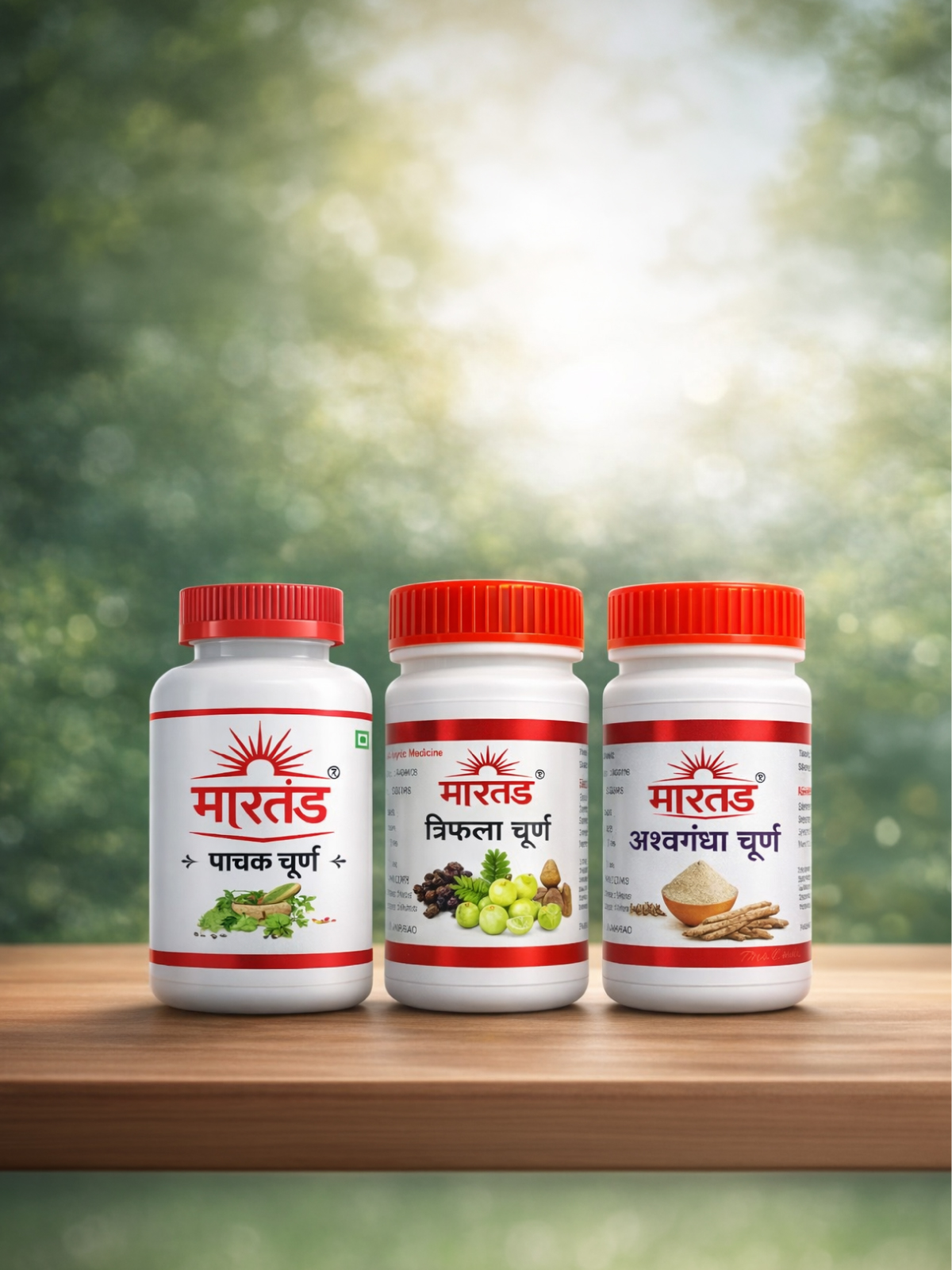
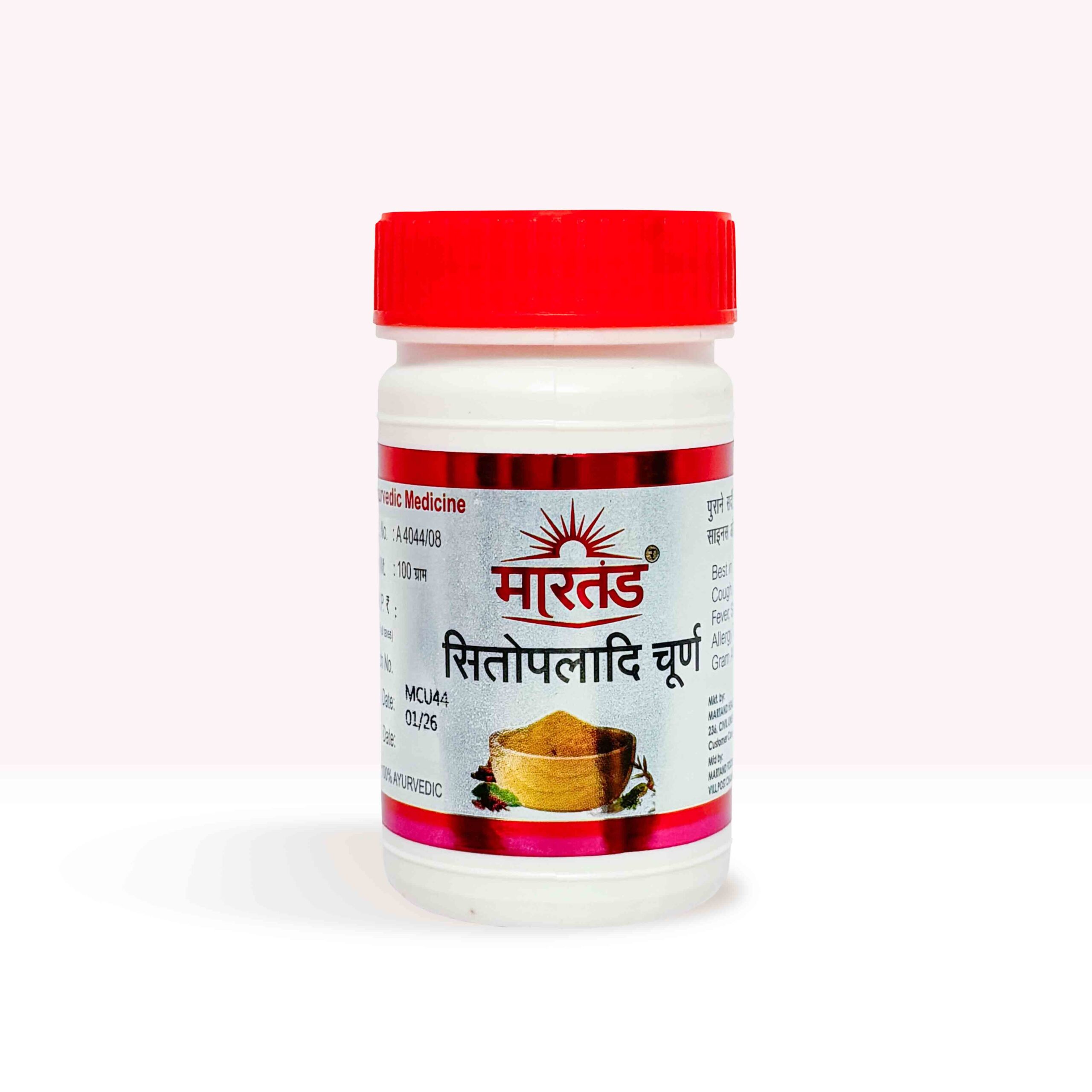
Occasional acidity is normal, but persistent heartburn, chest pain, or difficulty swallowing requires expert advice. Martand offers reliable guidance, personalized tips, and natural remedies for summer acidity.
Key Takeaways
-
Summer acidity is often caused by dehydration, heat, and irregular meals.
-
Cooling foods like cucumber, watermelon, and curd aid digestion.
-
Maintain hydration, regular meals, a light diet, and good sleep.
-
Simple Ayurvedic tips and natural remedies help manage acidity safely.
Stay cool, hydrated, and mindful with your meals. Connect with Martand for expert, safe, and natural solutions to manage summer acidity effectively.